
Festival and Performance Information
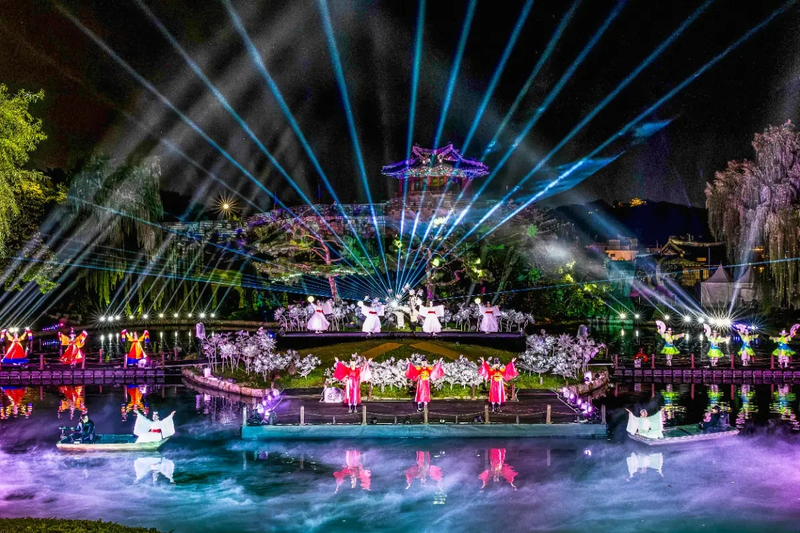
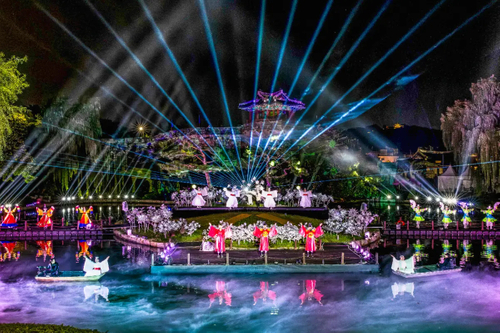
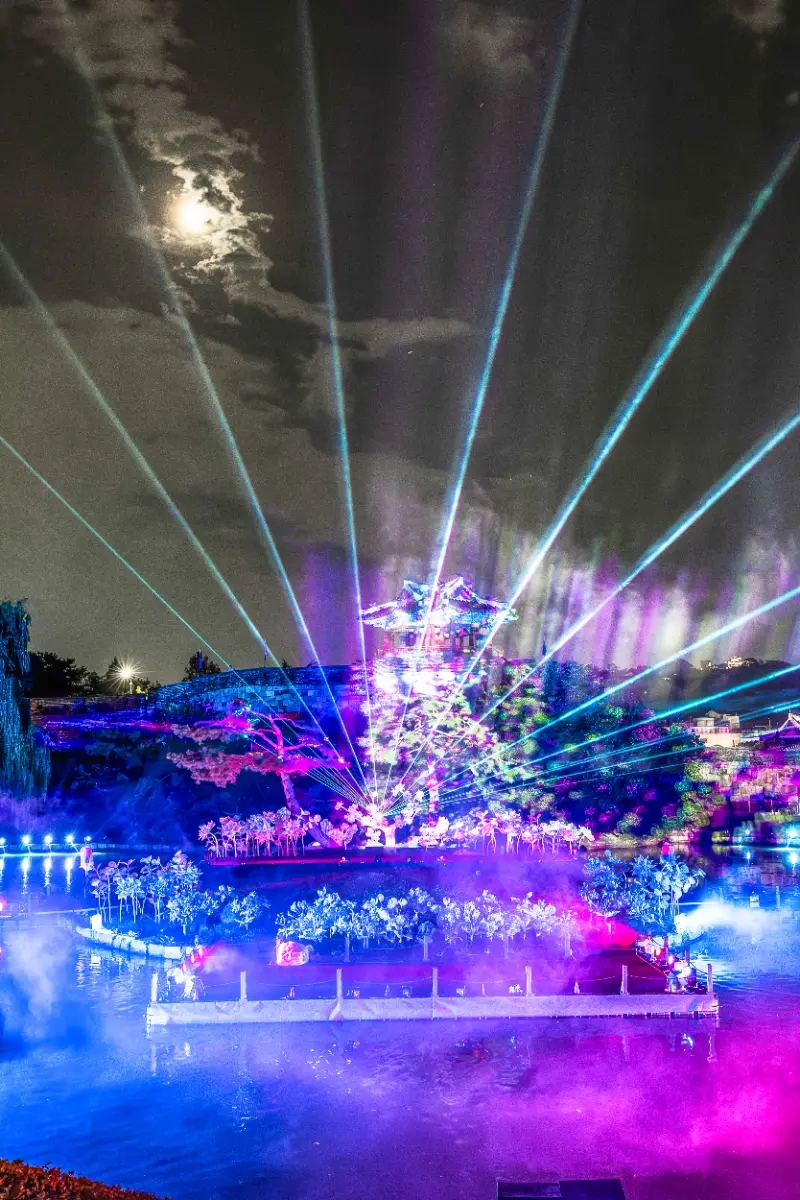
Seonyumong, the signature nighttime water performance of the Suwon Hwaseong Festival, is an atmospheric evening performance staged on Yongyeon Pond and in front of Banghwasuryujeong Pavilion, one of the most scenic spots of Suwon Hwaseong, a UNESCO World Heritage Site.
 It was inspired by the traditional Seonyunori, a leisurely boating tradition in which King Jeongjo of the Joseon Dynasty enjoyed poetry and refined pastimes with his mother, Lady Hyegyeong.
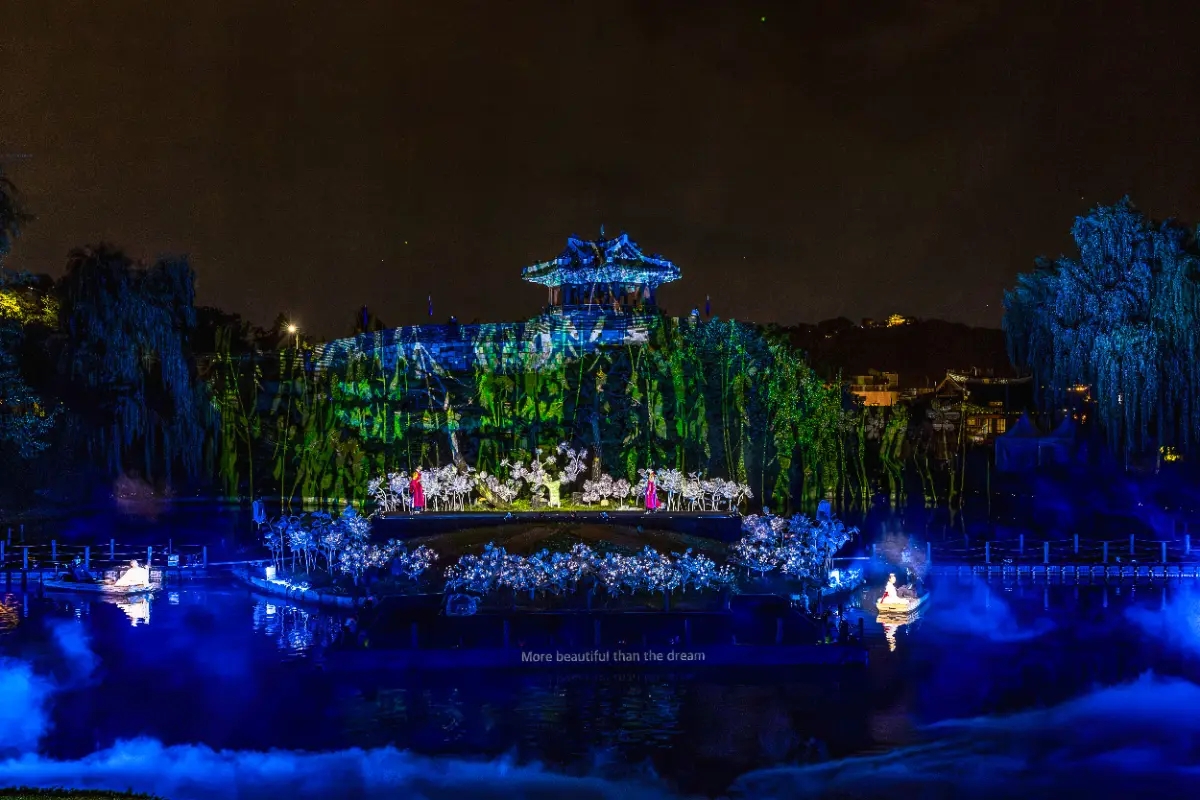 Based on the intriguing idea, “What if King Jeongjo dreamed of becoming an immortal and wandering through Yongyeon Pond?”, the performance unfolds a moving story that transcends 230 years, as vibrant media art, water, light, and music come together over the tranquil pond and fortress walls.
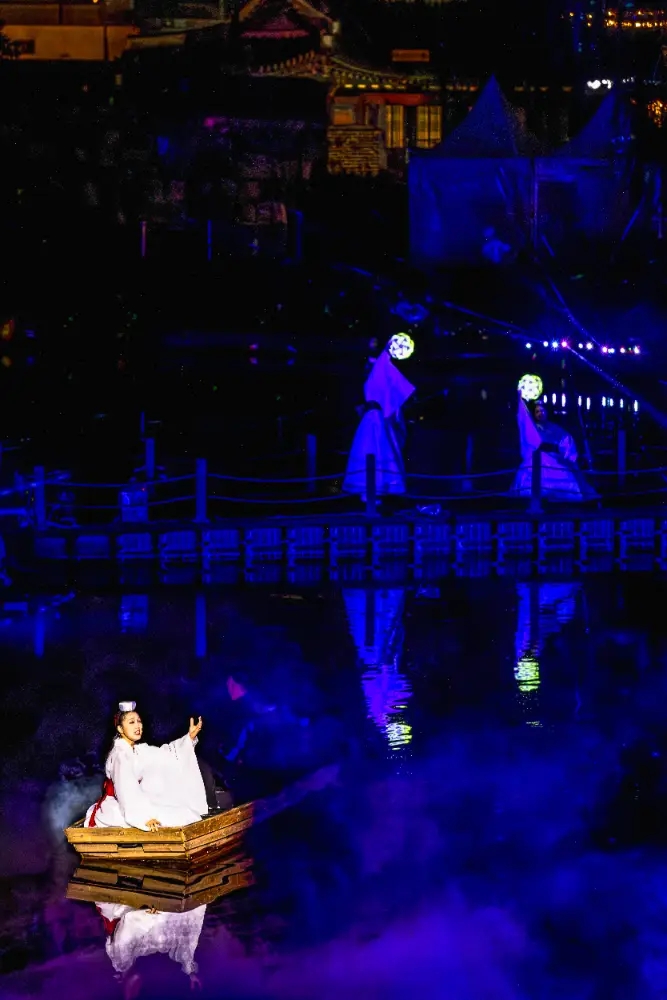
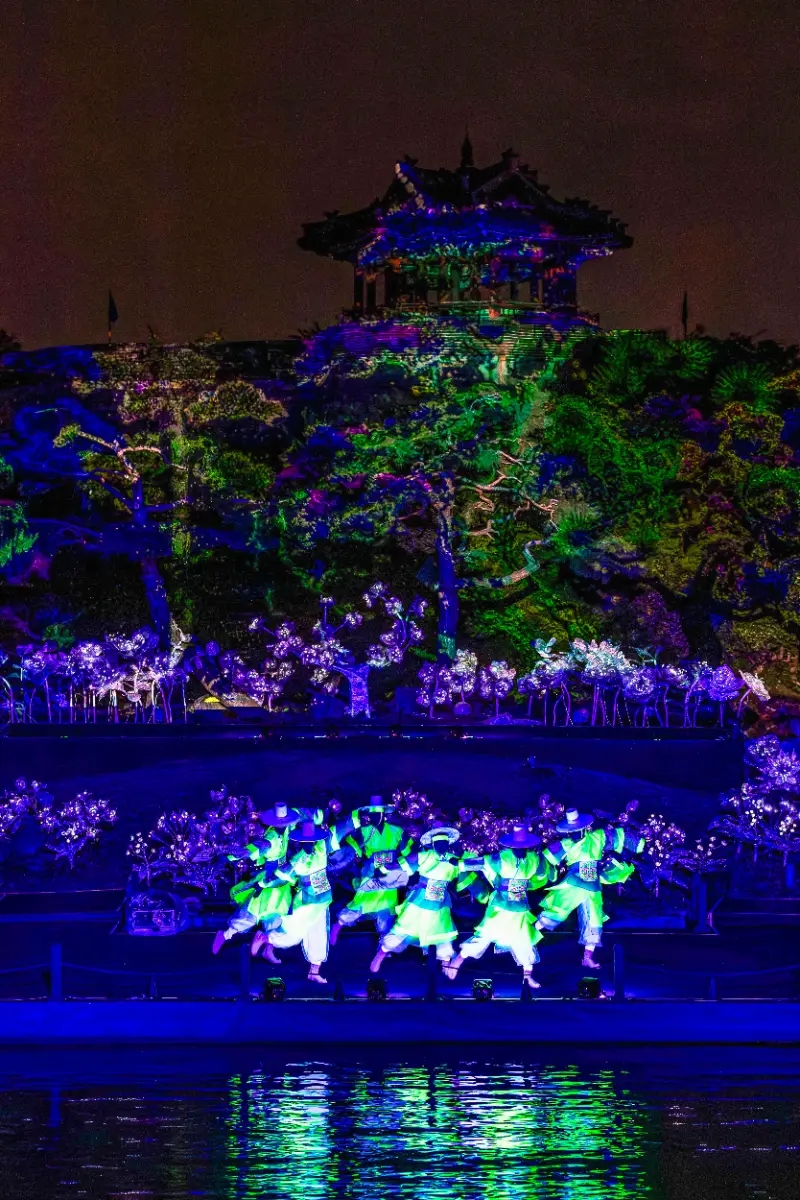 This premium seasonal performance, available exclusively in autumn, brings traditional Korean dances such as Hakchum, Chunaengmu, and Seonbi Dance to life on the floating stage at Yongyeon Pond and aboard traditional ferry boats, accompanied by Jeongga and contemporary gugak songs.
Performance Information
Performance Period: October 5(Mon) ~ October 11(Sun)
Performance Time: Every evening 19:00 ~ 20:00 (about 50 minutes)
Performance Venue: 37-9 Yeonghwa-dong, Jangan-gu, Suwon-si, Gyeonggi-do (Banghwasuryujeong Pavilion and Yongyeon Pond Area)
Scene-by-Scene Synopsis
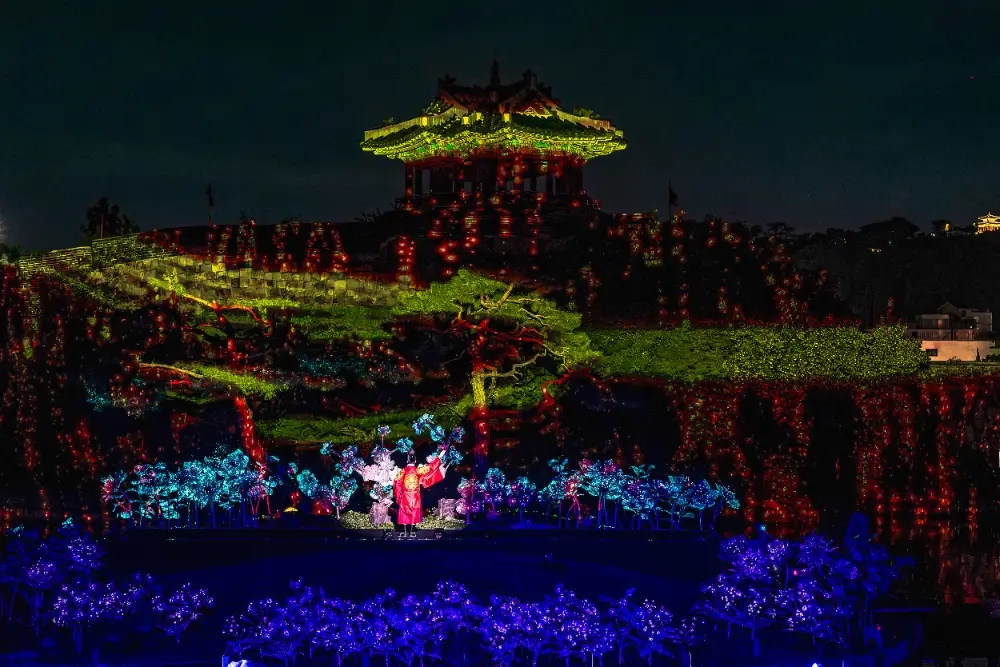
King Jeongjo appears and introduces Suwon Hwaseong Fortress, Banghwasuryujeong Pavilion, and Yongyeon Pond, inviting the audience into a dream where they become immortals wandering through a magical night.
Act 1. Hakchum
As King Jeongjo falls asleep, a crane descends upon Yongyeon Pond. Through the graceful Hakchum (Crane Dance) and a play of light, the real-world landscape of Suwon Hwaseong transforms into the mystical realm of Seonyumong.
Act 2. Chunaengmu
Dancers carrying flowers emerge, transforming Yongyeon Pond into a vast floating garden. Accompanied by Chunaengmu (Dance of the Spring Oriole), the stage evokes the beauty suggested by the name Banghwasuryujeong—a place where flowers bloom and willows sway in harmony.
Act 3. Four Moons
Beneath the moonlight, King Jeongjo meets Lady Hyegyeong aboard a traditional boat. The moon in the sky, the moon reflected on Yongyeon Pond, the moon mirrored in a wine cup, and the moon shining in a loved one's eyes—these "Four Moons" become the motif for a poetic performance of Korean traditional songs and ensemble dance celebrating their reunion and the elegance of Yongyeon.
Act 4. The King’s Dream
A Jeongga vocalist aboard the boat performs the classic song Woljeongmyeong (the bright full moon). As the music intertwines with media art, the moon, the water, and Banghwasuryujeong Pavilion merge into a single, breathtaking landscape.
Act 5. A Heart That Remains
King Jeongjo and Lady Hyegyeong reflect on Hwaseong and the aspirations it embodies. Through song, the performance reveals a city where imposing fortress walls exist in harmony with elegant pavilions and tranquil waters.
Act 6. Seonbichum
The dignity, determination, and spirit of those who helped realize King Jeongjo's vision of Hwaseong are expressed through the restrained yet powerful movements of the Seonbichum (Confucian scholars dance).
Act 7. Seonyumong
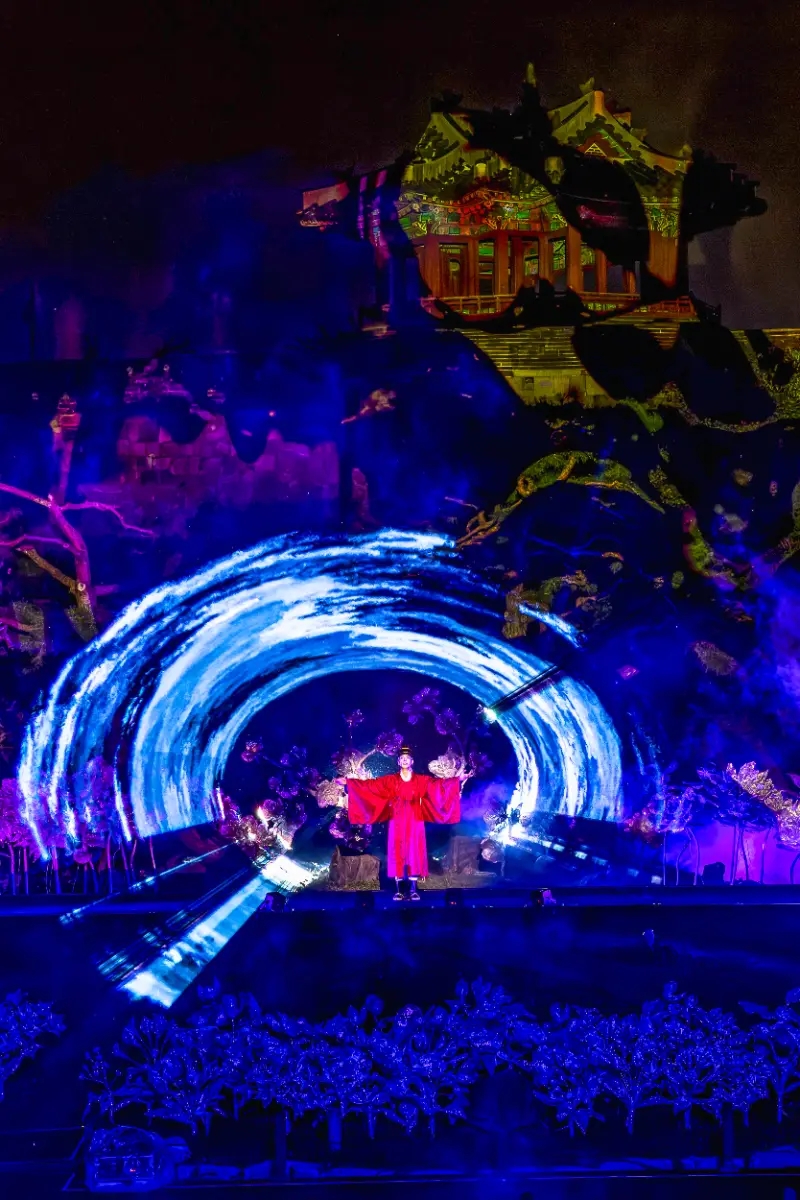
The full cast gathers once more at Yongyeon Pond. Inspired by King Jeongjo's philosophy of Mancheon Myeongwol (One Bright Moon Reflected in Ten Thousand Streams), countless moons and radiant lights illuminate Suwon Hwaseong. Traditional music, dance, and media art come together in a magnificent finale, bringing the dream to its dazzling conclusion.
 Need help?